
You do not need a big marketing budget to grow a small business. Some of the most effective promotion methods cost little or nothing — they cost time, consistency and a bit of creativity instead. This guide shows you how to promote a small business on a small budget, using free and low-cost channels that actually bring in customers.
Start with the Foundations
Before you spend a penny on promotion, make sure the basics are in place. Your website should load fast, look professional on a phone, and make it obvious what you offer and how to contact you. Your Google Business Profile should be claimed, complete and up to date, with your opening hours, photos and services listed. These two free steps alone put you ahead of many competitors, because most customers check Google before they ever visit your website.
Ask every happy customer for a Google review. Reviews are free, they build trust instantly, and they help your business show up in local search results. A business with twenty genuine five-star reviews will beat a similar business with none, every time.
Use Social Media with a Plan
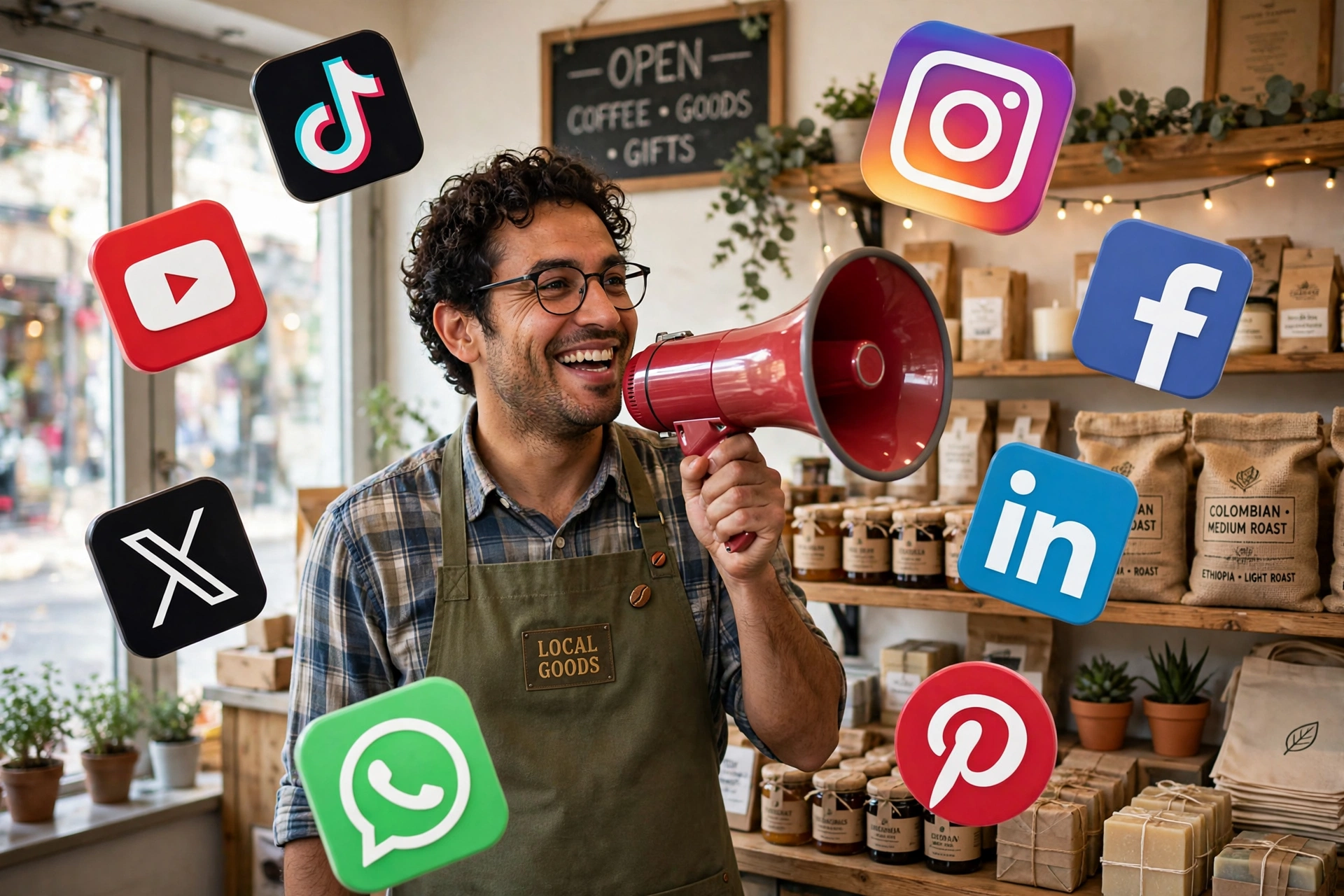
Social media is free, but only if you use it properly. Pick one or two platforms where your customers actually spend time — Instagram and Facebook for most local businesses, LinkedIn for business-to-business services, TikTok for younger audiences — and post there consistently, three to five times a week.
Share useful content, not just adverts. Behind-the-scenes photos, quick tips, customer stories and short videos perform far better than “Buy now” posts. Reply to every comment and message quickly; social media is a conversation, and people buy from businesses that talk back. Short posts work best, so keep captions tight — our free Word Counter helps you check the length of your posts and captions before you publish them.
Content Marketing: The Gift That Keeps Giving
Writing helpful articles, guides and how-to posts is one of the cheapest ways to attract customers over time. A single useful blog post can bring visitors from Google for years, long after you wrote it. Focus on the questions your customers actually ask: how much things cost, how to choose between options, and how to solve common problems.
Repurpose everything you create. One blog post can become five social media posts, a short video, an email newsletter and a set of answers on forums. This multiplies the value of every hour you spend creating content.
Email Marketing on a Shoestring
Email is still one of the highest-return marketing channels, and it costs almost nothing to start. Collect email addresses with a simple sign-up form on your website and a paper list at your till or reception. Send one useful email a month: a tip, an offer, a new product or a customer story. Keep it short and friendly, and always include one clear action for the reader to take.
Never buy email lists. They are full of people who never asked to hear from you, they damage your reputation, and they break data protection rules.
Local Promotion That Costs Almost Nothing
Local businesses have advantages that online-only brands cannot match. Partner with complementary businesses nearby — a florist and a wedding photographer, a gym and a health food shop — and recommend each other. Join local Facebook groups and community pages, and answer questions helpfully without constantly selling. Sponsor a local sports team or school event; the cost is small and the goodwill is enormous. Leave business cards and flyers in places your customers visit, and always carry cards with you.
Free Tools and Low-Cost Advertising
Use free tools wherever you can: Canva for designs, Google Business Profile for local visibility, and free versions of scheduling tools to plan your social media. When you do spend money, spend it carefully. A small, tightly targeted Facebook or Google Ads campaign — £5 a day aimed at people in your town who are interested in what you sell — will outperform a large, unfocused campaign every time. Set a daily limit, test one advert at a time, and stop anything that does not bring enquiries within a week or two.
Measure What Works
Marketing without measurement is guessing. Use Google Analytics to see where your visitors come from, and ask every new customer how they found you. Keep a simple spreadsheet of what you tried, what it cost and what it brought in. After three months, double down on the two or three channels that work, and stop the ones that do not. A small budget spent on what works beats a large budget spread thinly across everything.
Frequently Asked Questions
How can I promote my small business for free?
Claim your Google Business Profile, collect customer reviews, post consistently on one or two social media platforms, write helpful content, and ask happy customers to recommend you. These methods cost time rather than money.
How much should a small business spend on marketing?
Many small businesses spend 5–10% of revenue on marketing, but you can start with far less. Even £50–£100 a month, spent on targeted local advertising and useful content, can bring real results.
What is the best way to promote a local business?
Local search and reviews matter most. A complete Google Business Profile, genuine reviews, local social media groups and partnerships with nearby businesses usually bring the fastest results for a local business.
Does social media really bring customers?
Yes, when it is used consistently and genuinely. Businesses that post helpful content, answer messages quickly and show the people behind the business build the trust that turns followers into customers.
How long does low-budget marketing take to work?
Some methods, like local advertising and review requests, can bring results in weeks. Content and SEO take two to three months to build momentum, but they keep working long after you stop paying for them.
Conclusion
Learning how to promote a small business on a small budget comes down to focus: a solid website and Google Business Profile, one or two social media channels used well, helpful content, email to past customers, and local partnerships. You do not need to do everything — you need to do a few things consistently and measure the results. Start with the free foundations this week, add one new channel at a time, and keep the methods that bring you customers. Small budgets reward patience and consistency more than they reward spending.